Breakfast Nook vs Dining Room: Which Suits Your Home? (October 2026)
Choose a breakfast nook for casual meals in a compact kitchen, or a dining room for flexible seating and more formal gatherings. Your available space and meal habits matter more than either room label.
On this page (8 sections)
- Breakfast Nook vs Dining Room: Which Suits Your Home?
- Breakfast nook vs dining room: what is the main difference?
- Which setup fits your space?
- How do seating and comfort compare?
- Which is better for everyday meals and hosting?
- How should you plan storage and lighting?
- What should you measure before choosing?
- Which setup should you choose?
Breakfast Nook vs Dining Room: Which Suits Your Home?
Choose a breakfast nook for casual meals in a compact kitchen, or a dining room for flexible seating and more formal gatherings. In the breakfast nook vs dining room decision, start with your daily routine, available floor space and usual guest count.
A nook usually keeps meals close to the kitchen and can fit into a corner. A dining room gives the table a separate area, often with more room to add seats or serve a full meal.
Both can work well. The right setup is the one that fits your household and leaves enough space to move around.

Breakfast nook vs dining room: what is the main difference?
A breakfast nook is a small, informal dining spot, while a dining room is a separate space centered on meals and hosting. The names describe how the area functions, not a required furniture style.
Nooks often use a small table, built-in banquette or corner bench. A dining room can hold a larger table, individual chairs, storage furniture and lighting planned around longer meals.
The boundary can be flexible in an open-plan home. A kitchen table near a window might function as a nook, while a table in a dedicated room can serve everyday meals as well as guests.
For a closer look at the term, read what a breakfast nook is. If the furniture itself is the question, [What Is a Dinette Set?
A Practical Guide](/what-is-a-dinette-set/) explains that smaller dining setup.
Which setup fits your space?
A breakfast nook often makes better use of an unused kitchen corner, while a dining room needs space for the table and access around it. Measure the full footprint before choosing either arrangement.
Include more than the tabletop. Leave room to pull out chairs, reach a bench, walk behind seated people and open nearby cabinets or doors.
When does a breakfast nook make sense?
A nook suits homes where the kitchen has a corner or wall that can take a small table and seating. It can keep breakfast and quick meals close to food prep without using a separate room.
A corner bench can use the wall edges for seating, but you still need a comfortable route in and out. Think about who sits on the inside of an L-shaped bench and how they will get up when others are seated.
The guide to building a breakfast nook can help you plan the layout, seating and measurements. If your kitchen is narrow, compare compact options in our guide to the best dining tables for kitchens.
When does a dining room make sense?
A dining room works when you have a separate area and want the table to serve more than quick meals. It can make it easier to seat guests, use individual chairs and keep dining separate from cooking and kitchen traffic.
That room does not need to feel formal every day. A smaller table can make a dining room useful for daily meals, while extra chairs can be brought in when guests arrive.
To furnish the room at a lower price, compare affordable dining room sets.
Plan around the largest group you actually host. A table that fills the room for occasional gatherings can make everyday movement difficult.
How do seating and comfort compare?
A nook can feel close and relaxed, while a dining room gives you more freedom to choose separate seats and spacing. Consider how long people sit and whether anyone needs easy access to their place.
Bench seating can fit several people along a wall, but it may be harder to enter or leave a middle spot. Chairs are easier to move individually, though they need space behind the table when pulled out.
A tall table with stools can make a compact kitchen dining spot, especially for 2 people. The VECELO Small Bar Table and Chairs Tall combines a table, two cushioned stools and three side shelves; check the bar-height seating against your household's needs.
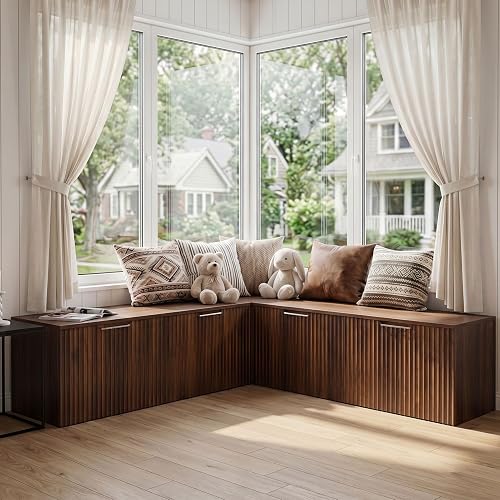
For a corner arrangement, the ZZW L Shaped Storage Bench includes one long bench, two short benches and a side table. Its seat compartments add hidden storage, but measure the room and check that the bench layout leaves clear access.
Which is better for everyday meals and hosting?
A nook usually suits quick daily meals, while a dining room is easier to adapt for guests and longer meals. The best choice depends on how often your table needs to serve more people than your household.
A small kitchen table can make it easy to sit down for breakfast or a casual lunch. Keeping the setup near the kitchen may also make serving and clearing simpler.
A separate dining room can give guests more elbow room and keep the meal away from cooking activity. It can also be useful for puzzles, homework or other table activities when meals are over.
Think through a typical week, not just a holiday meal. If you host only a few times a year, you may prefer an everyday nook and a plan for occasional extra seating.
For a separate room, explore trending dining room sets and what the trend means before picking a style. If you want a more contemporary layout, our modern dining room planning guide covers ways to plan the space.
How should you plan storage and lighting?
A nook benefits from storage close to the kitchen, while a dining room can use furniture and lighting to make the table its focal point. Choose additions that support how you use the area without narrowing walkways.
A bench with seat storage can hold items you want nearby but out of sight. Shelves on a compact table can keep dinnerware or bottles close, though they should not become a reason to crowd the table.
A floor lamp can add adjustable light beside a dining area when the room has a suitable open spot. The Nintiue Dimmable Floor Lamp has a twist control for changing brightness and includes three LED bulbs; place it where cords and the base stay clear of traffic.
An area rug can help distinguish a dining zone in an open plan. The Aelenmu 8x10 Area Rugs for Living Room is a low-pile 8 x 10 ft option with a rubber backing, but make sure the chairs can slide without catching at the edges.
If your dining space also needs a spot for drinks or serving pieces, see our bar cart for home guide. A cart is useful only if it can park nearby without blocking a route.
What should you measure before choosing?
Measure the usable floor area, table footprint and chair or bench clearance before buying furniture. A paper or tape outline can show whether the arrangement leaves enough room to pass.
For a nook, mark the bench and table positions, then test how someone will enter and leave the seat. Account for cabinet doors, appliance doors and the route between the kitchen and other rooms.
For a dining room, mark the table at its full size and add the chairs in their pulled-out positions. Try walking around the outline as if someone were seated on each side.
Measure the path from the entry to the room as well. Furniture that fits once inside may still be difficult to bring through a doorway or around a tight turn.
Which setup should you choose?
Pick a breakfast nook if you want a compact, casual place near the kitchen; pick a dining room if you need a separate area for flexible seating and hosting. Measure your space and plan around the meals you have most often.
Choose the nook when a kitchen corner can serve daily meals without interrupting work or walkways. Choose the dining room when a separate table will make gatherings and longer meals more comfortable.
If you are still deciding, sketch both footprints and count the seats you need on an ordinary day. That simple comparison often makes the practical choice clear.
Frequently asked questions
Is a breakfast nook better than a dining room?
A breakfast nook is better for everyday meals near the kitchen and can fit into a corner, while a dining room offers a separate space for larger or more formal meals. Choose based on how many people you seat, how often you host, and the floor area you can give dining.
Can a breakfast nook replace a dining room?
A breakfast nook can replace a dining room if it seats everyone who regularly eats at home and you rarely need extra places. If you host larger gatherings, consider whether another table, folding chairs or a separate dining space will handle those occasions comfortably.
How much space does a breakfast nook need?
It depends on the table, seating and clearance you need to sit down and move around. Measure the full footprint, including pulled-out chairs or bench access, then keep paths to doors, cabinets and appliances clear before buying furniture.
What furniture works in a small dining area?
A compact table, a corner bench or a small two-seat set can work in a small dining area, depending on its shape. Measure the room and walking paths first; a taller bar table saves some visual bulk but may be less comfortable for some diners.
Should a dining rug go under the table?
A rug can help define a dining zone, especially in an open room, if it is large enough for chairs to move while staying on the rug. Measure the table and chair positions before buying, and consider how you will clean food spills.


