What Is a Mid Century Dining Set? A Fast Guide
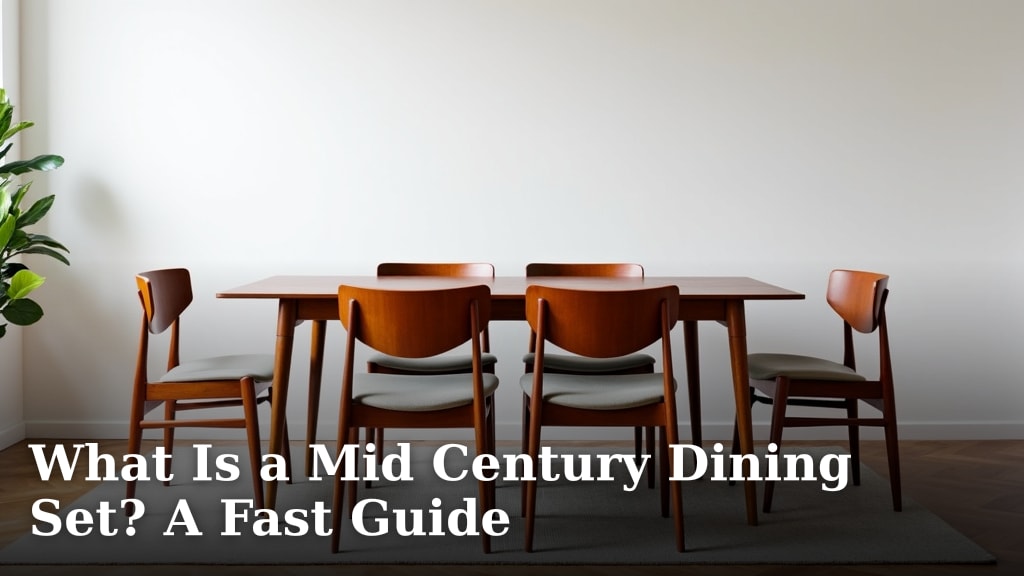
A mid century dining set is a dining table and chairs designed in the distinctive style of the mid-20th century, typically between 1945 and 1969. These sets often feature clean lines, organic shapes, and materials like wood, metal, and plastic. You’ll often find them with tapered legs and a focus on functional simplicity.
When people look for mid-century dining sets, they’re usually drawn to their blend of practicality and style. These pieces can update your home with a retro feel without being overwhelming. We found that the key appeal is their timeless design that fits well in modern spaces. They offer a warm, inviting look for your eating area.
TL;DR:
- Mid century dining sets are from the mid-20th century (1945-1969).
- They have clean lines, organic shapes, and simple, functional designs.
- Materials like wood, metal, and plastic are common.
- Tapered legs are a signature feature.
- They bring a retro yet timeless style to your dining room.
Ready to get a clearer picture? Below, we’ll walk you through exactly what makes a dining set mid-century modern and what to look for when shopping.
Understanding Mid Century Modern Dining Sets
So, you’re curious about what makes a dining set truly mid-century modern. It’s more than just a label; it’s a design philosophy that came to life in the middle of the 20th century. Think of the period after World War II, a time of optimism and innovation. Designers wanted to create furniture that was both beautiful and functional. They aimed for simplicity, clean lines, and a connection to nature.
A mid-century dining set is a prime example of this era’s style. It usually means a table and matching chairs. Their design focuses on practicality and organic forms. You’ll see a lot of natural wood grains, often in warm tones like teak or walnut. The overall look is uncluttered and elegant. It’s a style that has really stood the test of time, looking as fresh today as it did back then.
Key Design Elements You’ll Spot
What visually sets these dining sets apart? Several design elements are quite consistent. They were built to be practical for everyday life, yet stylish enough to impress. Let’s break down the signature features you should look for.
Clean Lines and Geometric Shapes
One of the most noticeable things about mid-century modern furniture is its clean, straight lines. Unlike more ornate styles, there’s no fussiness here. Tabletops might be rectangular, oval, or even round, but their edges are usually crisp and defined. The overall silhouette is often geometric and straightforward. This simplicity makes them easy to integrate into various room styles.
Tapered Legs: A Signature Look
Ah, the tapered leg! This is perhaps the most iconic feature. You’ll see legs on both the table and chairs that start thicker at the top and gradually get thinner as they reach the floor. This detail adds a touch of elegance and lightness. It makes the furniture appear to float, creating a more open feel in your dining space. Research into furniture design from the 1950s shows this was a deliberate choice to avoid heavy, bulky furniture.
Organic and Sculptural Forms
While clean lines are key, mid-century designers also loved incorporating organic shapes. Think about how nature looks – curves, smooth transitions, and natural contours. You might see a tabletop with slightly rounded corners or chairs with subtly curved backs. This blend of geometric structure and natural inspiration is what gives the style its unique charm and warmth. It feels both modern and inviting.
Material Choices: Wood, Metal, and More
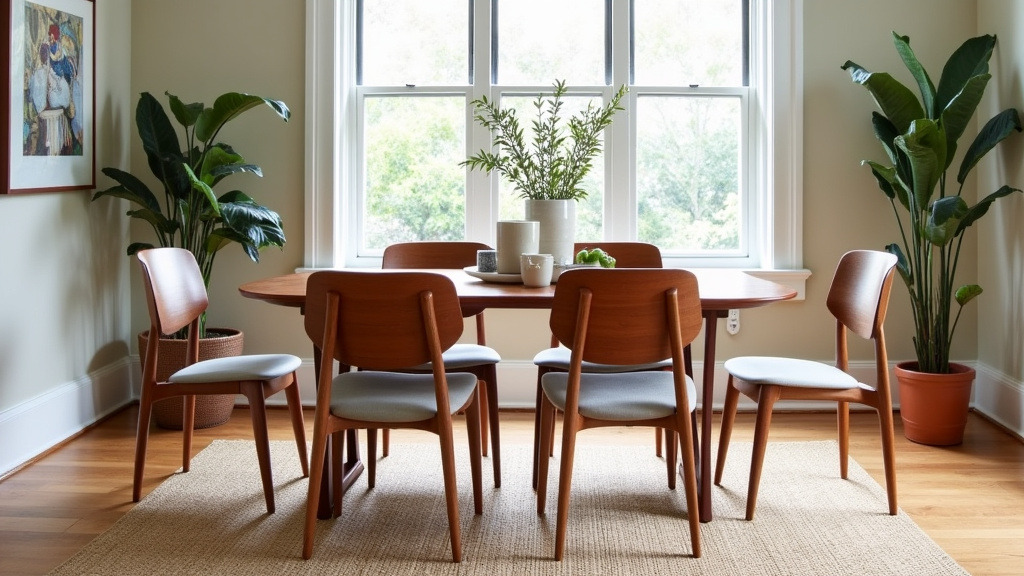
Designers of this era weren’t afraid to mix and match materials. Wood is a dominant material, often showcased in its natural beauty. Teak, walnut, and oak were popular choices for their rich colors and durability. But you’ll also find sets that incorporate other elements. Metal, often in chrome or black finishes, was used for legs or frames, adding an industrial edge. Sometimes, you’ll even see plastic or vinyl used for chair seats or accents, highlighting a forward-thinking approach to materials.
Functional Simplicity and Purpose
Above all, mid-century modern design is about functionality. Furniture was meant to serve a purpose and do it well. Dining sets from this period are designed for everyday use. Tables are sturdy and provide ample surface area. Chairs are comfortable and ergonomically considered. The emphasis is on creating a dining experience that is both practical and pleasant. There’s no wasted ornamentation; every design choice serves a purpose.
What to Look for When Buying a Mid Century Dining Set
Ready to find your perfect mid-century dining set? It’s exciting, but you’ll want to know what to keep an eye out for. Whether you’re shopping for authentic vintage pieces or modern reproductions, a few key checks will help you make a great choice.
Authenticity vs. Reproduction
First, consider if you want an authentic vintage piece or a modern reproduction. Vintage items have history and character. However, they might show signs of wear and could be more expensive. Reproductions offer the mid-century look with the benefits of new materials and construction. Many companies today create pieces inspired by original mid-century designs. Both can be wonderful choices, depending on your budget and preferences.
Table Size and Shape Considerations
Think about your dining space. How many people do you typically need to seat? Measure your room carefully. A small, intimate space might suit a round or square table. A larger room could accommodate a rectangular or oval table. Many mid-century tables were extendable, which is a great feature for entertaining. Look for tables that offer flexibility in size if you often host guests.
Chair Comfort and Style
The chairs are just as important as the table. Are they comfortable for sitting through a meal? Mid-century chairs often feature supportive backs and well-padded seats, sometimes in vinyl or fabric. Look for chairs that complement the table’s design. Do they have the characteristic tapered legs? Are the proportions right? We found that chairs with a slight recline and good lumbar support tend to be the most comfortable for extended sitting.
Material Quality and Condition
If you’re buying vintage, inspect the condition of the materials closely. Check for deep scratches, water stains, or veneer peeling on wood. For chairs, look for rips or tears in upholstery and ensure the frames are sturdy. If buying new, research the materials used. High-quality solid wood or well-constructed veneers will last longer. Good quality metalwork should be free from rust or damage.
Matching the Set to Your Decor
Mid-century modern dining sets are versatile, but consider your existing decor. The clean lines and warm wood tones often work well with modern, minimalist, or even eclectic styles. A bright pop of color in the chair upholstery can add personality. Think about how the set will fit with your wall color, flooring, and other furniture. It should feel like a natural extension of your home’s style.
Budget and Value
Determine your budget beforehand. Authentic vintage pieces can range widely in price. High-end designer pieces will cost more than lesser-known brands. Reproductions also vary in cost based on materials and craftsmanship. We found that setting a budget helps narrow your search. Consider the long-term value – a well-made set, whether vintage or new, is an investment that can last for years.
Putting It All Together: Your Mid Century Dining Set Checklist
Here’s a quick checklist to help you on your shopping journey:
- Confirm the Era: Does it align with the 1945-1969 mid-century modern period?
- Inspect the Lines: Are they clean, simple, and uncluttered?
- Check the Legs: Are they tapered, giving a light, elegant feel?
- Evaluate Materials: Are they wood, metal, or a stylish combination? Look for quality.
- Consider Comfort: Are the chairs ergonomically sound and pleasant to sit in?
- Match Your Space: Does the size, shape, and style fit your dining area and home decor?
Common Materials and Their Characteristics
Understanding the materials used in mid-century dining sets can help you appreciate their quality and maintenance needs. Designers often chose materials that were durable, aesthetically pleasing, and reflected a modern sensibility. Here’s a look at some of the most common ones you’ll encounter.
Wood Types
Wood was the backbone of mid-century furniture. Its warmth and natural beauty were highly valued. You’ll frequently see these types:
- Teak: Prized for its rich, golden-brown color and durability. Teak is naturally resistant to moisture and wear, making it ideal for dining tables. Many Danish modern pieces feature teak.
- Walnut: Offers a darker, sometimes reddish-brown hue with beautiful grain patterns. Walnut is a hardwood known for its strength and fine finish. It lends a sophisticated look.
- Oak: Often used for its strength and distinctive grain. Oak can be finished in various ways, from light to dark, fitting different aesthetics. It’s a sturdy and reliable choice.
- Mahogany: Less common than teak or walnut in mass-produced pieces but found in higher-end designs. Known for its deep reddish-brown color and elegant appearance.
Metals and Plastics
Designers weren’t shy about incorporating man-made materials. These added a modern, sometimes industrial touch:
- Chrome: Often used for chair frames or table legs, chrome offers a sleek, shiny, and durable finish. It’s easy to clean but can show fingerprints.
- Black Enameled Steel: Provides a contrasting, often minimalist look. It’s robust and can give a piece a more industrial or Scandinavian feel.
- Plastic and Vinyl: Used for chair seats, backs, or even entire molded chairs. Materials like fiberglass-reinforced plastic or durable vinyl were innovative for their time, offering color and ease of cleaning. Many sources indicate these were key in making furniture more accessible (Design Within Reach).
Upholstery Fabrics
Chairs often feature comfortable upholstery. Common choices include:
- Vinyl: Easy to wipe clean, making it a practical choice for dining chairs. It was available in many colors and textures.
- Leather: Offers a luxurious feel and durability. High-quality leather can age beautifully.
- Wool and Textured Synthetics: Natural wool offered warmth and texture. Synthetic fabrics were developed for durability and ease of care, often mimicking natural fibers or offering unique weaves.
Caring for Your Mid Century Dining Set
Once you’ve found the perfect set, you’ll want to keep it looking its best. Proper care will ensure your dining set remains a beautiful and functional part of your home for years.
Wood Care
For wood surfaces, regular dusting with a soft, dry cloth is essential. For deeper cleaning, use a slightly damp cloth. Avoid harsh chemicals or abrasive cleaners, which can damage the finish. If your table has a natural oil finish, you might need to reapply oil periodically according to the manufacturer’s recommendations. For vintage pieces with delicate finishes, consider using a specialized wood cleaner designed for antique furniture.
Upholstery and Vinyl Care
Vinyl and most synthetic upholstery can be cleaned with mild soap and water. Blot spills immediately to prevent staining. For fabric upholstery, check the cleaning code if available. Vacuum regularly to remove dust and crumbs. For tougher stains, professional cleaning might be the safest option, especially for natural fibers like wool.
Metal Care
Metal components, especially chrome, can be polished with a soft cloth. For chrome, a specialized chrome cleaner can help remove water spots and restore shine. For enameled steel, a damp cloth and mild soap are usually sufficient. Be mindful of scratches, as they can be difficult to repair on painted or plated surfaces.
Protecting Your Investment
Use placemats and coasters to protect the table surface from heat and moisture. Avoid placing hot dishes directly on the table. When moving furniture, always lift, never drag, to prevent damage to the legs and frame. Regularly check for loose screws or joints and tighten them as needed. This simple maintenance can prevent bigger issues down the line.
Conclusion
You’ve learned that a mid-century dining set offers a blend of timeless style and practical function. These sets are recognized by their clean lines, tapered legs, and thoughtful use of materials like wood, metal, and plastic. They bring a unique warmth and retro charm to your dining space without feeling dated. Whether you choose an authentic vintage piece or a modern reproduction, understanding these key elements will help you find a dining set that perfectly suits your home and lifestyle. Your next step is to start measuring your space and browsing the many beautiful mid-century modern dining sets available.
Frequently Asked Questions
Are mid-century dining sets only for retro-themed homes?
Not at all! While they have a distinct mid-century charm, their clean lines and simple designs make them surprisingly versatile. You’ll find they fit beautifully into modern, minimalist, or even eclectic decor styles, adding a touch of warmth and sophistication.
What’s the main difference between vintage mid-century dining sets and modern reproductions?
Vintage sets offer genuine historical character and unique patina, but may show signs of age and require more care. Modern reproductions provide the same iconic style with new materials, construction, and warranties, often offering more durability and less maintenance.
How do I know if a chair is truly comfortable for long meals?
Look for chairs with an ergonomic design, such as a slightly curved back for lumbar support and a comfortable seat height and depth. Many mid-century inspired chairs also incorporate subtle padding or supportive materials like vinyl or well-upholstered fabric for added comfort.
Are mid-century dining tables good for small spaces?
Yes, many mid-century dining tables are excellent for smaller spaces. Their designs often feature lighter visual weight due to tapered legs, and many come in round or oval shapes which can feel less imposing than sharp-cornered rectangular tables.
What’s the best way to clean a teak mid-century dining table?
For regular cleaning, simply dust your teak table with a soft, dry cloth. If it needs more attention, use a slightly damp cloth. Avoid abrasive cleaners; instead, consider using a specialized wood cleaner or furniture polish designed for teak to maintain its natural beauty and finish.