What Is a Traditional Dining Set? What Works
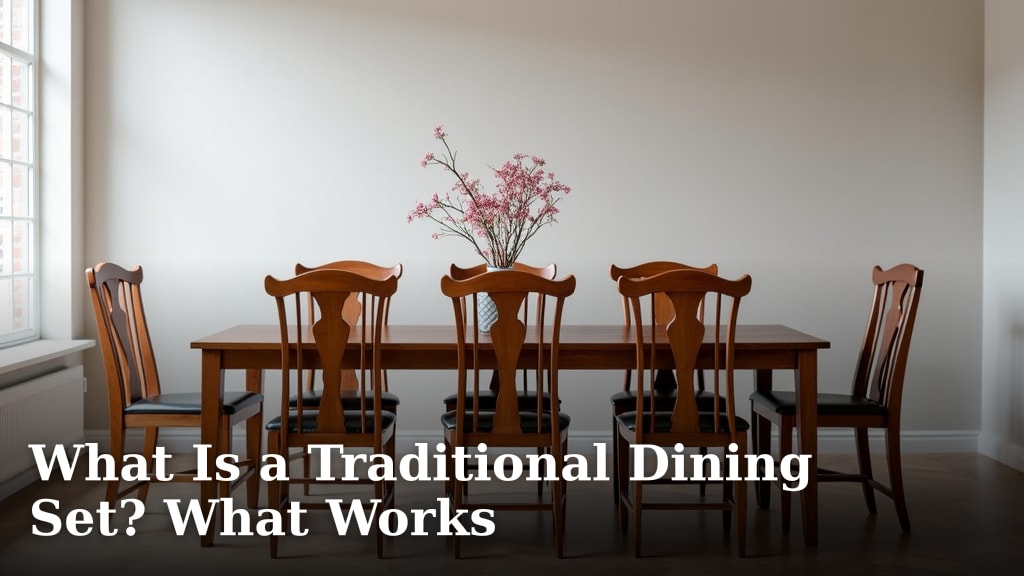
A traditional dining set is a table and matching chairs designed to create a formal or classic look in your dining room. These sets often feature rich wood finishes and timeless styles that have remained popular for generations. They offer a sense of established elegance and a dedicated space for meals.
When you think of a traditional dining set, imagine furniture that brings a sense of history and enduring style to your home. These pieces are built to last, using materials and designs that have stood the test of time. They can anchor your dining room, making it feel both welcoming and refined for any occasion.
- A traditional dining set includes a table and coordinating chairs.
- They typically feature classic designs and durable wood construction.
- These sets add an elegant and timeless feel to your dining space.
- They provide a dedicated area for family meals and entertaining guests.
Let’s walk through what makes a dining set truly traditional and what works best for most homes. Let’s walk through what makes a dining set truly traditional and what works best for most homes, including considerations for a 5-piece dining set.
Understanding the Heart of a Traditional Dining Set
A traditional dining set is essentially a table and its matching chairs. Think of it as a pre-selected, coordinated outfit for your dining room. These sets are designed with a focus on classic beauty and enduring style. They typically feature rich wood tones and time-honored designs. Your goal is often to create a sense of elegance and history. These pieces are meant to feel permanent and stately. They provide a dedicated space for both everyday meals and special occasions.
When you picture a traditional dining set, you might see dark wood, carved details, and plush upholstery. These are hallmarks of a style that has been around for a long time. It’s a look that speaks of comfort, family, and shared moments. It’s about creating a room that feels both welcoming and sophisticated. The aim is to set a mood for dining that is relaxed yet refined. It’s a deliberate choice for a timeless aesthetic.
Key Features That Define Traditional Style
What exactly makes a dining set feel “traditional”? It’s a combination of design elements, materials, and craftsmanship. We’ve gathered the most common characteristics you’ll find. These are the building blocks of that classic look you’re aiming for.
Materials: The Foundation of Elegance
Wood is the undisputed king when it comes to traditional dining sets. You’ll often see hardwoods like oak, cherry, mahogany, and walnut. These woods are chosen for their durability and their beautiful natural grain. They can be stained in a variety of rich, deep colors. Think of warm browns, deep reds, and even ebony black. These finishes enhance the wood’s natural beauty. They also contribute to the set’s stately appearance. Many traditional pieces use solid wood construction. This ensures they are sturdy and built to last for generations.
Wood Finishes: More Than Just Color
The finish on the wood plays a big role. Traditional sets often feature satin or semi-gloss finishes. These add a subtle sheen without being overly reflective. They highlight the wood’s natural texture. You might also find distressed finishes. These give the furniture a slightly aged look, as if it has a history. This can add character and warmth. It makes the set feel more lived-in and less formal. It’s a way to achieve that timeless appeal without appearing brand new.
Design and Silhouette: Timeless Shapes
Traditional designs lean towards classic shapes. You won’t find many sharp angles or minimalist lines. Instead, you’ll see softer curves and more ornate details. This creates a sense of grace and formality. The overall impression is one of established beauty.
Table Styles: The Centerpiece
The dining table is the focal point of the set. Traditional tables often feature:
- Rectangular or oval shapes: These are the most common. They offer ample space for seating and serving.
- Pedestal bases: Some tables have a single, sturdy pedestal in the center. This often allows for more legroom.
- Legs: Others have four legs, which can be straight, tapered, or turned (rounded and carved).
- Details: Look for subtle carvings, moldings, or decorative edges. These add a touch of sophistication.
- Extendable leaves: Many traditional tables come with leaves. This allows you to expand the table for larger gatherings.
Chair Styles: Comfort Meets Class
Dining chairs in a traditional set are designed to complement the table. You’ll frequently see:
- Upholstered seats and backs: Fabric or leather upholstery adds comfort. Common patterns include damask, floral, or simple solid colors.
- Spindle or ladder backs: These designs feature vertical slats or crossbars. They offer a classic, slightly more casual look.
- Slat backs: Similar to spindle backs, these have horizontal slats.
- Carved details: Chairs may feature carvings on the legs, back, or crest.
- Armrests: Some chairs include armrests for added comfort. These are usually found on the “host” and “hostess” chairs.
Color Palette: Rich and Inviting
Traditional dining sets tend to use a specific color palette. This reinforces their classic and elegant feel. The colors are generally warm and inviting. They create a sense of depth and tradition.
The Dominance of Wood Tones
As we mentioned, wood tones are central. Deep browns, cherry reds, and dark walnut are prevalent. These colors feel rich and substantial. They ground the room and create a cozy atmosphere. They also pair well with many wall colors and decor styles.
Accent Colors: Subtle Sophistication
While wood is primary, accent colors are used thoughtfully. Upholstery often features:
- Deep jewel tones: Think burgundy, emerald green, or sapphire blue.
- Neutral shades: Cream, beige, or muted gold can also be used.
- Subtle patterns: Classic patterns like damask or subtle florals add texture without overwhelming.
These colors add depth and personality. They prevent the set from feeling too monotonous. They help tie the entire room together.
What Works Best for Your Home? Considering Size and Space
Choosing a traditional dining set isn’t just about liking the style. It’s also about making sure it fits your life and your home. Size and how you plan to use the space are key. A grand, imposing set might overwhelm a small apartment. Likewise, a tiny table won’t serve a large family well. Let’s think about practical considerations.
Table Size: Matching Your Needs
The size of your dining table should be practical for your household. Measure your dining space carefully. You need enough room for the table and chairs, plus comfortable pathways around them. A good rule of thumb is to have at least 3 feet of clearance around the table. This allows people to walk behind seated guests. It also makes pulling chairs out easier.
Seating Capacity: How Many Do You Need?
Consider how many people you regularly dine with. Do you host large dinner parties often? Or is it usually just a few family members? Traditional tables often come in sets that seat 4, 6, or 8 people. Many are extendable, which is a great compromise. You get a manageable size for daily use. Plus, you can expand it when guests come over. Research indicates that a standard rectangular table that seats six is often a good starting point for many homes.
| Table Size (Length) | Seats | Minimum Space Needed (Room Size) |
|---|---|---|
| 48 inches | 4 | 8×8 feet |
| 60 inches | 6 | 10×10 feet |
| 72 inches | 6-8 | 11×11 feet |
| 84 inches | 8 | 12×12 feet |
Note: These are approximate and don’t include buffet or other furniture. Always measure your specific space.
Chair Comfort: More Than Just Looks
Traditional chairs can vary greatly in comfort. Some have fully upholstered seats and backs, offering plush support. Others might have wooden seats, which are less forgiving for long meals. If comfort is a top priority, look for chairs with good cushioning. Consider the seat depth and back height. Does it support your back well? We found that chairs with a slight recline in the backrest often feel more comfortable.
Armchairs vs. Side Chairs: A Practical Choice
Most traditional dining sets include a mix of side chairs (no arms) and armchairs. Armchairs are usually larger and more comfortable. They are often placed at the head and foot of the table. However, armchairs can take up more space. They might not fit easily around all tables. Check if the armrests will slide under the tabletop. If space is tight, opting for mostly side chairs is a smart move. You can always add a couple of armchairs if space allows.
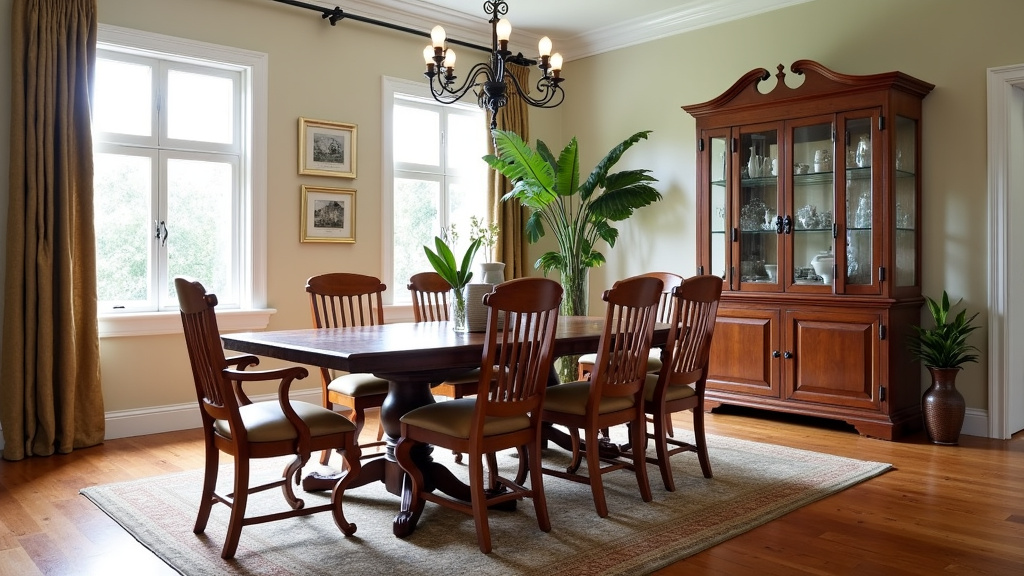
Putting It All Together: What Makes a Set “Work”?
A traditional dining set “works” when it enhances your dining experience. It should feel like a natural fit for your home. It should be practical for your lifestyle. And it should bring you joy every time you use it. We’ve seen that the best sets are a blend of beauty and function. They are more than just furniture; they are the backdrop for memories.
Think about the overall feel you want. Do you want a formal space for entertaining? Or a cozy nook for family dinners? Traditional style can adapt to both. The key is to choose pieces that align with your personal taste and your home’s architecture. Don’t be afraid to mix and match slightly, if it feels right. Sometimes, adding a different style of sideboard or rug can personalize the traditional look. It’s your space, after all!
A Quick Checklist for Choosing Your Set
Here’s a handy checklist to guide your decision:
- Measure your space accurately, including walking room.
- Determine your seating needs: daily use vs. entertaining.
- Consider the table shape and size that best fits your room.
- Evaluate chair comfort and how they will be used.
- Match the wood finish and style to your existing decor.
- Think about functionality like extendable leaves.
By focusing on these points, you can select a traditional dining set that is not only beautiful but also perfectly suited to your home. It’s about creating a space you’ll love spending time in, gathering with loved ones, and making lasting memories.
Conclusion
You’ve learned that a traditional dining set offers enduring style and a sense of history for your home. It’s more than just furniture; it’s a foundation for family meals and cherished gatherings. Remember to focus on the right materials like hardwoods, classic finishes, and timeless shapes that speak to you. When choosing, always prioritize measuring your space and considering how many people you’ll typically seat. Your perfect traditional set should feel like a natural extension of your home, blending beauty with everyday practicality. Take these tips and find a set you’ll love for years to come.
Frequently Asked Questions
How do I know if a dining set is truly “traditional”?
Look for rich wood finishes, classic shapes like rectangular or oval tables, and chairs with details like carved legs or upholstered seats. Traditional sets prioritize timeless design over fleeting trends, offering an elegant and established look.
Can traditional dining sets work in smaller homes or apartments?
Yes, they can. Opt for smaller-scale tables, perhaps round or oval ones with pedestal bases, and choose chairs with simpler designs. Avoid overly ornate details or very dark, heavy finishes that can make a space feel cramped.
What’s the best way to care for a traditional wood dining set?
Regular dusting with a soft cloth is key. For spills, wipe them up immediately. Use coasters under drinks and placemats during meals to protect the finish. Periodically, you might use a wood polish designed for your specific wood type.
Are traditional dining sets always very formal?
Not necessarily. While they can create a formal atmosphere, many traditional styles offer a warm and inviting feel. Sets with slightly distressed finishes or chairs with simpler spindle backs can offer a more relaxed, yet still classic, look.
How do I measure my dining space to ensure a good fit?
Measure the length and width of your dining room. Then, measure the table you’re considering. Aim for at least 3 feet of clearance around the table for comfortable movement. This space allows chairs to be pulled out easily and for people to walk behind seated guests.