What Is an Extendable Dining Set? A Helpful Guide
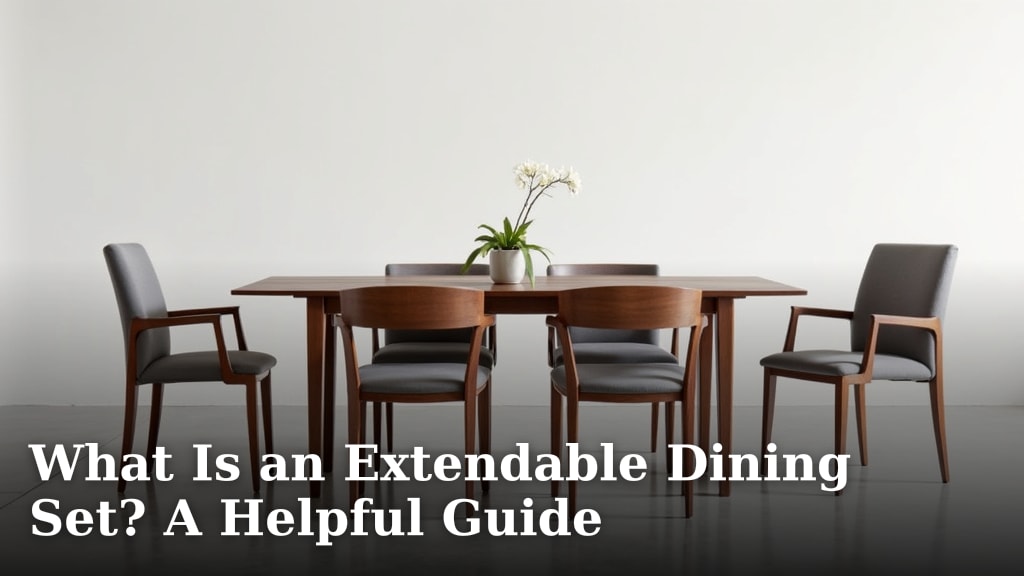
An extendable dining set is a type of dining table that can be adjusted in size to seat more or fewer people. It is a smart, space-saving solution for your home that allows your dining area to adapt. This flexibility is what makes it so popular for modern living.
We found these sets typically use a hidden leaf or a slide mechanism to add or remove seating space. They are often made from popular materials like solid wood, engineered wood, or glass. This design helps you handle everyday meals and larger gatherings with equal ease.
- An extendable set gives you a small table for daily use and a larger one for guests.
- Common mechanisms include a removable center leaf or a sliding tabletop.
- Materials range from traditional wood to modern glass and metal.
- They are ideal for apartments, small dining rooms, and anyone who likes to host.
Below, we will walk through the key benefits, common mechanisms, and how to choose the best extendable dining set for your space and lifestyle. Let’s dive into the details so you can find your perfect match.
Why Consider an Extendable Dining Set for Your Home?
You might wonder if a table that changes size is really worth it. We found the answer is a resounding yes for many households. The primary benefit is simple: flexibility. You get a table that fits your daily life without sacrificing the ability to host.
Think about your weekly routine. On most days, you might be feeding a small family of three or four. A large, permanent table could feel cavernous and wasteful. An extendable set lets you use the compact version, saving precious floor space in your kitchen or dining room. It keeps the room feeling open and uncluttered.
Handling Daily Life and Special Occasions
Now picture Thanksgiving, a birthday party, or friends visiting from out of town. Suddenly, you need to seat eight or ten people. Instead of dragging in folding chairs and borrowing a card table, you simply extend your dining table. This transforms your space for gatherings without permanent compromise.
We found this dual-purpose design is especially valuable for common living situations:
- Small homes and apartments: You maximize every square foot. The table adapts to the room, not the other way around.
- Open-concept living areas: A smaller daily footprint helps define the dining zone without overwhelming the connected living space.
- Growing families: As your children get older and have more friends over, your table can grow with you.
- Frequent hosts: If you love to entertain, the stress of seating is minimized. You’re always ready for guests.
How Do Extendable Dining Tables Actually Work?
The magic is in the mechanism. Most tables achieve their flexibility through a hidden leaf, a section of the tabletop stored within the table itself, or a sliding design. Understanding these common types helps you know what to look for.
Common Extension Mechanisms Explained
Each mechanism has its own feel and function. Here’s a breakdown of what you’ll typically find.
The Butterfly Leaf
This is one of the most popular and convenient designs. The leaf is split and hinged, folding in on itself like butterfly wings. It tucks away into a hidden compartment beneath the tabletop. To extend, you pull the table ends apart and the leaf unfolds and rises up into place. It’s a clever, self-contained solution.
The Removable Center Leaf
In this classic style, the leaf is a separate piece stored elsewhere, like in a closet. You pull the table apart and place the leaf in the gap. It provides a seamless look but requires a safe storage spot for the leaf. Some sets include a specially designed cradle for this.
The Sliding or Telescoping Top
These tables operate on a smooth track system. The entire tabletop splits and slides outward on rails. The extension pieces, often stored under the main top, are then lifted and locked into position. This mechanism can sometimes allow for multiple extension sizes.
The Flip-Top or Drop-Leaf Design
Often seen in console tables that become dining tables, this style has hinged leaves on the ends. The leaves are supported by a gate leg or bracket when raised. It’s a great option for very tight spaces where you need the table to fold completely flat against a wall when not in use.
| Mechanism Type | Best For | Consideration |
|---|---|---|
| Butterfly Leaf | ||
| Convenience & Integrated Storage | Leaf storage can reduce under-table space for legs or chairs. | |
| Removable Leaf | Traditional Look & Solid Surface | Requires separate storage for the leaf piece. |
| Sliding/Telescoping | Smooth Operation & Multiple Sizes | Mechanisms can be complex; may need occasional adjustment. |
| Flip-Top/Drop-Leaf | Extreme Space Saving (Console Style) | Leg support when extended can get in the way. |
Materials and Styles: What Are They Made Of?
You’ll find extendable sets in virtually every material and design style to match your décor. The choice often comes down to durability, maintenance, and aesthetics.
Common Material Choices
Solid Wood is a timeless favorite. It’s durable and can be refinished. We found oak, maple, and acacia are popular for their hardness. The trade-off is weight; a solid wood extendable table can be very heavy.
Engineered Wood (like MDF or particleboard with a veneer) offers a similar look at a lower cost and lighter weight. It’s less prone to cracking with humidity changes. However, it can be more susceptible to scratches and water damage over time.
Glass and Metal sets bring a modern, airy feel. The glass top often helps a small room feel larger. Metal frames, like steel or iron, provide sturdy support. These materials are generally easy to clean but may show fingerprints more easily.
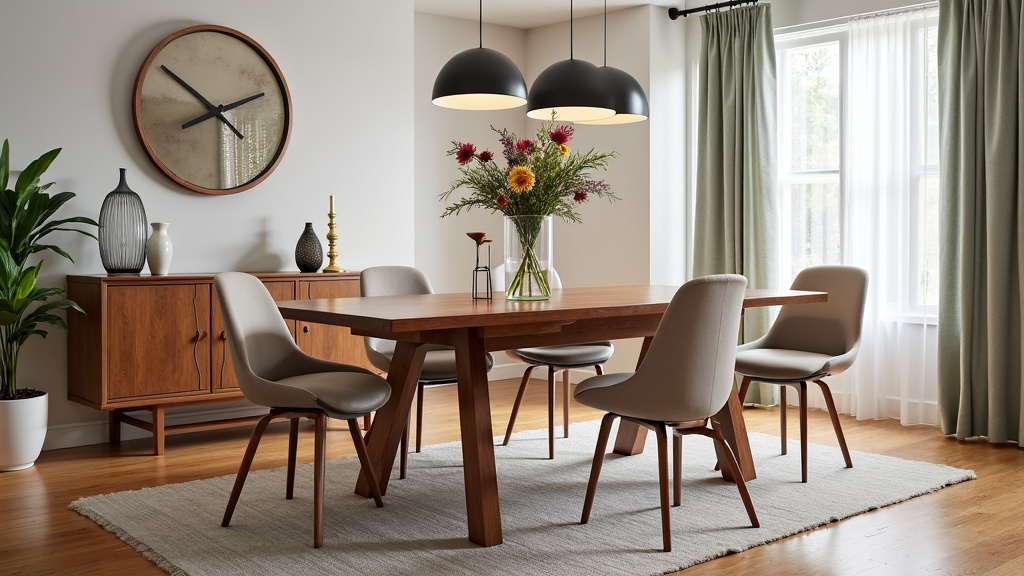
How to Choose the Right One: A Practical Guide
Finding your perfect match involves measuring, thinking about your habits, and knowing your limits. Let’s walk through the key steps.
Step 1: Measure Your Space First
This is non-negotiable. Measure the room’s dimensions and draw a simple floor plan. Remember, you need space not just for the table, but for chairs to pull out and for people to walk behind seated guests. We recommend allowing 36 inches from the table edge to the wall or furniture for comfortable movement.
Step 2: Decide on Your Seating Needs
Be realistic. How many people do you sit daily? How often do you host, and how many? A common guideline is that you need about 24 inches of table width per person for a comfortable setting. An 84-inch long table comfortably seats six to eight people.
Step 3: Test the Mechanism (If Possible)
If you’re shopping in a store, try opening and closing the extension. It should feel smooth and secure. Ask if the mechanism locks firmly when fully extended. A wobbly table is not what you want. If buying online, read customer reviews specifically mentioning the ease of use and durability of the mechanism.
Step 4: Consider Your Style and Material
Think about your lifestyle. Do you have young children? A sturdy wood or a laminate finish might be more forgiving than a glossy glass top. Does your style lean rustic, modern, or transitional? Ensure the extendable table doesn’t just function well but also feels right in your home.
Quick Checklist Before You Buy
Keep these final points in mind. They can help you avoid common pitfalls and make a choice you’ll be happy with for years.
- ✓ Measured twice: Confirmed dimensions in both compact and fully extended states.
- ✓ Checked the clearance: Ensured enough room to walk and pull out chairs when the table is largest.
- ✓ Considered the mechanism: Chosen a style that fits your strength and tolerance for setup.
- ✓ Matched your material: Picked a surface that balances beauty with your cleaning routine.
- ✓ Thought about weight: Noted if a heavy leaf means you’ll need help to set it up.
- ✓ Visualized the space: Imagined both the everyday and the party-day look in your room.
Conclusion
An extendable dining set offers you the perfect blend of daily comfort and hosting flexibility. We’ve explored how these tables adapt to your space, their common mechanisms, and the materials available. Remember to measure your room carefully, consider your seating needs, and test the extension mechanism when possible. This practical approach ensures you find a set that truly fits your home. Take the next step by assessing your space and visiting a store to experience different options firsthand.
Frequently Asked Questions
How much space should I leave around an extended dining table?
You should allow about 36 inches of clearance from the table edge to walls or furniture. This ensures guests can pull out chairs and walk comfortably. It’s a simple way to avoid a cramped dining area.
Do extendable tables come with a warranty?
Many reputable brands offer warranties on extendable dining sets, often covering the frame and mechanism. Always check the product details or ask the seller for warranty terms. This can provide peace of mind for your purchase.
Can I use an extendable table for a daily workspace?
Yes, the compact size makes it suitable for everyday use, including as a desk. Just ensure the surface is stable and the mechanism won’t interfere with your setup. We found it a versatile option for multifunctional rooms.
How do I prevent scratches on an extendable table?
Use placemats or tablecloths to protect the surface, especially if it’s wood or glass. Regular cleaning with a soft cloth helps maintain its appearance. For wooden tables, a finish or polish can add a protective layer.
What if the extension mechanism gets stuck?
Check for debris or misalignment in the tracks or hinges, and gently clean them. If the issue persists, consult the manufacturer’s instructions or a professional. Most mechanisms are designed to be durable with proper care.