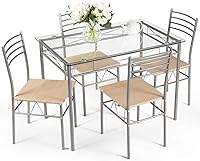
What Is the Best Fabric for Dining Chairs?
The best fabric for dining chairs depends on how you use them: microfiber and performance fabrics suit busy meals, while vinyl wipes clean easily. Compare the care label, stain resistance, and feel before choosing.
On this page (5 sections)
The best fabric for dining chairs is one that matches your spill risk and cleaning routine. Microfiber and performance fabrics can suit frequent meals, while vinyl is easy to wipe; check the care instructions and fiber content before you choose.
A fabric that looks good in a showroom may need more care than you want at home. Think about children, pets, daily meals, and whether you prefer a soft woven seat or a smooth surface.
This guide compares common upholstery choices by stain resistance, durability, and cleaning effort. For a broader overview of seating choices, see our dining set guide.
What is the best fabric for dining chairs?
For everyday dining, microfiber or a performance upholstery fabric is often a useful starting point because these options can balance comfort and manageable care. If quick wipe-downs matter most, consider vinyl or faux leather instead.
Fabric names alone don't tell the whole story. Fiber blend, weave, finish, and care instructions all affect how a seat handles regular use.
| Upholstery | Stain handling | Cleaning effort | Good fit for |
|---|---|---|---|
| Microfiber | Often resists everyday spills better than loose, textured weaves | Spot cleaning may be possible | Frequent meals and a soft feel |
| Performance fabric | Designed for easier care, but features vary by fabric | Follow its specific care instructions | Busy homes that want a woven look |
| Polyester blend | Depends on the blend and finish | Check the care label | General use and varied styles |
| Vinyl or faux leather | Surface spills are often easy to wipe | Usually simple wipe-down care | Messy meals and low-fuss cleaning |
| Cotton or linen blend | Can absorb spills more readily | May need careful spot cleaning | Occasional use and a natural texture |
| Leather | Can be wiped, but needs material-specific care | Follow leather care guidance | A smooth surface and a distinct look |
Treat these as broad material tendencies, not guarantees. A tightly woven cotton blend with a protective finish may be easier to manage than an untreated fabric marketed with a familiar fiber name.
Is microfiber a good upholstery fabric for dining chairs?
Microfiber can be a good choice when you want a soft seat with practical spot cleaning. The fine surface is less open than many loose weaves, which may help keep crumbs and small spills from settling deep into the fabric.
Care instructions vary, so don't assume every microfiber chair can be cleaned the same way. Some fabrics allow water-based cleaners, while others require solvent cleaners or professional care.
The Ashley Berringer uses microfiber upholstery made from 74% polyester and 26% cotton, and its seat is described as spot cleanable with solvent or water-based cleaners.
Is performance fabric worth it for dining chairs?
Performance fabric may be worth considering when stains and frequent cleaning are a concern. The term covers many fabrics and treatments, so confirm what the specific chair offers and which cleaners are safe.
Ask whether the fabric is treated, whether the finish can wear off, and what the care label allows. If those details are unclear, choose upholstery with a cleaning method you can follow.
Which dining chair fabric is easiest to clean?
Vinyl and faux leather are usually the easiest surfaces to wipe down after everyday spills. They don't have the same soft, woven feel as fabric, but a smooth surface can make crumbs and liquid easier to remove.
Ashley describes the Hammis seat as dark brown faux leather made from 100% vinyl. Its spot-clean and damp-cloth wipe instructions make it a practical option for meals that often get messy.
Don't use a cleaner just because it works on another chair. Check the care instructions for the exact material, and wipe spills promptly.
If the chair fabric is worn or stained beyond cleaning, compare your options in our guide to dining chair cushions replacement.
How do fabric types compare for durability?
Durability depends on the weave and construction as well as the fiber. A dense, close weave is usually a better starting point for frequent use than a loose, delicate fabric that can snag or catch crumbs.
Look for clear details about fiber content, cleaning, and upholstery coverage. For chairs that see daily meals, avoid choosing based on appearance alone.
- Microfiber: A compact surface can suit frequent use, though texture and cleaning instructions vary.
- Polyester blends: Common in upholstery, but durability and stain handling depend on the blend, weave, and finish.
- Cotton and linen blends: Comfortable and breathable, but may absorb spills and wrinkle more readily.
- Vinyl and faux leather: Smooth and easy to wipe, but can crack or peel over time depending on construction and care.
- Leather: Can last with suitable care, but it may scratch, mark, or dry out if neglected.
The Roundhill Biony chairs use fabric upholstery on both the seat and chair back. Their description identifies a linen and cotton fabric, so buyers who prefer woven upholstery can compare that feel with smooth vinyl options.
What should you check before choosing upholstery?
Check the care method, fabric blend, and coverage before choosing dining chair upholstery. Those details help you judge whether the chair fits your routine better than a color or texture alone.
- Read the fiber content. A blend can feel and wear differently from a single fiber.
- Find the cleaning instructions. Confirm whether the fabric is spot clean only and which cleaners are allowed.
- Check where the fabric is used. Upholstery on the seat and back needs more care than a covered seat alone.
- Consider the weave. Tight weaves can be easier to brush clean than loose, textured fabrics.
- Match the finish to your habits. Smooth vinyl may suit regular spills; woven fabric may feel more comfortable for longer meals.
- Look at replacement options. If the seat wears out, removable or replaceable cushions can extend the chair's useful life.
If you're still choosing the type of seating for your table, our dining bench vs chairs comparison explains the space and seating trade-offs. For a pair of chairs, browse our best dining chairs set of 2 guide, or see options for best dining chairs for small spaces.
Which fabric is best for your home?
Choose microfiber or performance upholstery for a soft seat with practical care, and vinyl if quick wipe-downs matter most. Cotton and linen blends can suit occasional use when you're comfortable with more careful cleaning.
A replacement cushion can also change the feel and upkeep of a chair without replacing the full frame. Compare the upholstery you want with the chair's cleaning directions, then measure the seat before you buy.
For a woven seat and back, the Roundhill Biony fabric dining chairs offer a linen and cotton blend. If you are weighing wood frames and upholstered seats, our guide to is Walker Edison furniture good quality can help you assess construction details alongside appearance.
Frequently asked questions
What is the easiest dining chair fabric to clean?
Vinyl and faux leather are usually easy to wipe after spills, while some microfiber upholstery can be spot cleaned. Check the chair's care instructions before using a cleaner, since the right method depends on the specific fabric and finish.
Is polyester a good fabric for dining chairs?
Polyester can be a practical choice for dining chairs because it is often used in upholstery designed for regular use and may be easier to care for than delicate natural fibers. Check the fabric blend and cleaning instructions, since polyester by itself does not guarantee stain resistance.
Is fabric or leather better for dining chairs?
Fabric offers a wider range of textures and patterns, while leather and vinyl style surfaces are often simpler to wipe clean. Choose based on your preferred feel, spill risk, and care routine, and check whether the material is genuine leather, faux leather, or vinyl.
How do I protect fabric dining chairs from stains?
Blot spills promptly with a clean cloth and follow the chair's care label. Avoid scrubbing or applying an unapproved cleaner, which can spread a stain or damage the upholstery.
For frequent spills, choose a fabric with clear spot-cleaning instructions or use removable cushions.
What should I look for in dining chair upholstery?
Check the fiber content, cleaning method, texture, and how the upholstery covers the seat and back. For a busy dining area, prioritize simple care and a tight, durable weave; for occasional use, comfort and appearance may matter more.