How to Quilt a Table Runner
To quilt a table runner, layer a pieced or single fabric top with batting and a backing, then stitch through all 3 layers and finish the edges with binding. Measure your table first so the runner fits the surface and hangs the way you want.
On this page (9 sections)
- What do you need to quilt a table runner?
- How do you measure and plan the runner?
- How do you cut and sew the fabric top?
- How do you make a quilt sandwich?
- How should you quilt the layers together?
- How do you trim and bind the runner?
- How do you care for a handmade quilted runner?
- What can go wrong while quilting a table runner?
- Which steps matter most when you quilt a table runner?
To quilt a table runner, layer a fabric top, batting, and backing, stitch through all 3 layers, then bind the edges. Measure your table before cutting so the finished runner fits the surface and has the overhang you want.
A runner can be a simple rectangle or a patchwork centerpiece. The same basic process works for both: prepare the fabric, make a stable quilt sandwich, sew the layers together, and finish the raw edges.
What do you need to quilt a table runner?
Gather fabric for the top and backing, batting, thread, pins or clips, a ruler, and a sewing machine or hand-sewing supplies. Binding fabric is also needed if you plan to cover the raw edges with a separate strip.
Pick a fabric that holds its shape when cut and pressed. Cotton is a common choice for quilting because it is easy to handle; for more options, see how to choose fabric for a table runner.
You'll need enough batting and backing to extend beyond the top on every side. A few extra inches give you room to baste and trim the layers after quilting.
How do you measure and plan the runner?
Measure the tabletop, then choose the finished width and end overhang before cutting. If you want the runner to stop at the table edges, use the tabletop length; if you want a drop, add that amount at both ends.
For a rectangular table, also decide whether the runner will sit across the center or run lengthwise. Check that it won't crowd place settings or hang where chair backs and knees catch it.
For a round table, make a paper or fabric test strip and position it before choosing the final length. A long runner can extend past the edge, so consider whether that suits your table's shape and how you use it.
Should you prewash the fabric?
Prewash the top, backing, and binding if you want to remove sizing and account for possible shrinkage before sewing. Follow each fabric's care label, and keep fabrics with different care needs out of the same runner.
Press the fabric after it dries so the pieces lie flat. Avoid stretching it while ironing, since a distorted rectangle is harder to piece and quilt evenly.
How do you cut and sew the fabric top?
Cut the top to your planned size, or sew smaller pieces into a patchwork panel first. For a basic runner, a single rectangle is the simplest option and leaves fewer seams to match.
If you are piecing a design, add seam allowance to each piece and press the seams as you go. Lay the completed top flat, measure it again, and trim it square before layering.
Quilted runners are available in many styles if you want a design reference before making your own. Browse best quilted table runners for examples, or compare best linen table runners if you prefer a linen look.
How do you make a quilt sandwich?
Place the backing wrong side up, center the batting over it, and lay the top right side up. Smooth each layer from the center outward, keeping the backing and batting larger than the top.
Baste the layers with safety pins, fabric-safe spray, or long hand stitches. Work from the center toward the edges to reduce wrinkles and keep the layers aligned.
Check both sides before quilting. If you see a fold or pucker, unpin or unbaste that area and smooth it again rather than sewing the wrinkle into place.
How should you quilt the layers together?
Stitch through the center of the runner first, then work outward to hold the sandwich in place. Straight lines are a practical first design because they are easy to mark and can follow seams or a simple grid.
Use a longer machine stitch than you would for piecing if that helps the layers feed smoothly. A walking foot can help move the top and bottom together; if your machine lacks one, go slowly and keep the fabric supported.
Hand quilting is another option for a small runner or a slower decorative finish. Keep stitches even enough to hold the layers, and avoid pulling the thread so tight that the top puckers.
How far apart should quilting lines be?
Choose spacing that fits the batting's care instructions and the design you want. Some batting needs closer quilting than others, so check its label before deciding on a wide grid or widely spaced lines.
Mark the first lines with a ruler and a fabric-safe marking tool. Test the mark on a scrap first, and confirm that it removes as expected before drawing across the finished top.
How do you trim and bind the runner?
Trim the backing and batting even with the quilted top, then bind the raw edges. Leave the runner square or use rounded corners if that suits your design.
A separate binding strip gives the edge a finished frame. Fold and press the strip, attach it to one side, wrap it over the raw edge, and sew it down on the reverse; miter the corners if you want a crisp turn.
You can also turn the backing to the front as a self-binding edge if you left enough backing around the top. Trim carefully and press the edge before stitching so the fold stays even.
How do you care for a handmade quilted runner?
Follow the care directions for the fabric and batting, and remove spills promptly. Test any cleaner on a hidden area first, since fabric dyes and finishes can react differently.
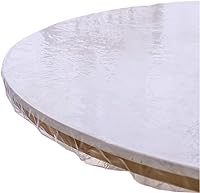
A washable runner may be easier to manage if you use it for everyday meals. For spill protection over a decorative runner or tablecloth, consider a clear cover such as the Benson Mills Clear Plastic Tablecloth Protector option in the right shape and size.
The 60 inch round protector is made of clear PVC and wipes clean with a damp cloth. Check the table's shape and dimensions before choosing it, since a round cover may not suit a rectangular surface.
This 70 inch round cover is also clear PVC and designed to wipe clean. Measure the table and consider how much edge coverage you want before selecting a round protector.
The rectangular cover measures 60 by 144 inches and can be cut to size with scissors. Keep scissors away from the runner itself, and consider the final edge finish before trimming the protector.
For a broader overview of coordinating cloths and protective layers, see the table linens and protectors guide. If you want a relaxed layered look, best boho table runners can help you compare that style.
What can go wrong while quilting a table runner?
Most problems come from shifting layers, uneven cutting, or skipping a flatness check before sewing. Basting and measuring again after piecing help catch issues while they're still easy to fix.
- If the backing wrinkles, unpin the nearby area and smooth it from the center out.
- If the runner curves after quilting, check whether the layers were pulled or fed unevenly.
- If the edges don't line up, trim them square before binding.
- If the binding ripples, ease it around the edge instead of stretching it.
Keep the runner clear of candles, hot cookware, and anything that could snag the stitching. A handmade textile is still fabric, so use a trivet for hot dishes and clean spills according to its care needs.
Which steps matter most when you quilt a table runner?
For a first project, use a simple rectangle, stable woven fabric, careful basting, and straight quilting lines. These choices make it easier to keep the layers flat and the edges even.
Choose patchwork if you want a patterned centerpiece and are comfortable matching seams. Choose a single fabric top if you want fewer steps, then spend time pressing and measuring before you quilt.
If you want to make a table-ready runner soon, plan the dimensions first, follow the batting's quilting guidance, and finish the edges before using it. For a different style, compare best table runners for dining tables before choosing your fabric and design.
Frequently asked questions
What fabric is best for quilting a table runner?
Choose a stable woven fabric that is easy to cut and sew, such as quilting cotton, and prewash it if you want to remove sizing or reduce later shrinkage. Use the same care needs for the top, backing, and binding so the finished runner can be cleaned consistently.
Do I need batting in a quilted table runner?
Batting gives a runner its quilted middle layer and adds a little body. Choose a thin batting if you want the runner to lie flatter under dishes, and check its care directions alongside those for your fabric before layering.
How far should a table runner hang over the table?
There is no fixed drop that suits every table. Measure the tabletop and decide how much overhang you want at each end, then add those amounts to the runner's planned finished length; check that the ends won't interfere with chairs or place settings.
Can I quilt a table runner without a quilting machine?
Yes. You can stitch the layers together with a regular sewing machine if the runner fits comfortably under its presser foot, or hand quilt it with a needle and thread.
Use a walking foot if you have one, and baste the layers so they don't shift.