How to Make a Christmas Table Runner
To make a Christmas table runner, measure your table, cut fabric to the length and width you want, then hem or finish the edges. Add a simple holiday detail such as trim, embroidery, or layered fabric.
On this page (7 sections)
- How do you measure a table for a Christmas table runner?
- What materials and tools do you need?
- How do you cut and finish the runner?
- How can you add Christmas details without making the runner hard to use?
- What ready-made runners can help you plan the project?
- How do you care for a handmade Christmas runner?
- How do you make a Christmas table runner that fits your table?
To make a Christmas table runner, measure the table, cut fabric to your chosen size, and finish the edges with a hem, binding, or fabric-safe adhesive. Add a holiday look with a second fabric layer, simple trim, or a small stitched motif.
A handmade runner can be plain and practical or soft and decorative. Start with the table's measurements and daily use, then choose fabric and details that won't crowd dishes or centerpieces.
How do you measure a table for a Christmas table runner?
Measure the tabletop's length and width, then decide how far the runner should hang over each end. For a runner that ends on the tabletop, use the table length; for an overhang, add the same chosen drop at both ends.
For example, if your table is 72 in long and you want 8 in of overhang at each end, cut for a finished length of 88 in. Add extra length for hems or other edge finishes.
Choose a width that leaves space for place settings on both sides. Lay a tape measure or paper strip down the center of the table to picture how a proposed width will look.
If your table is round, measure across the tabletop and decide how the runner will sit relative to the chairs. A round dining table protector can help you plan protection beneath the runner.
What materials and tools do you need?
You need fabric, a measuring tape, fabric scissors, pins or clips, and an iron for a basic sewn runner. Add thread and a sewing machine, or choose fabric glue or iron-on hem tape made for your fabric.
Before you buy fabric, think about how you'll clean the runner and whether it will sit under serving dishes. A tablecloth and table linen guide can help you compare common table coverings and protection options.
Gather these supplies:
- Fabric with enough length and width for the finished runner and edge allowance
- Matching thread, if sewing
- Fabric scissors and a measuring tool
- Pins or clips to hold folds in place
- An iron and pressing surface
- Optional trim, ribbon, or a second fabric for accents
Check the fabric care label before washing or pressing it. Prewash washable fabric if you want to reduce the chance of shrinkage after sewing.
Should you sew or use a no-sew finish?
Sewing gives you a durable folded edge, while a no-sew finish can suit a quick project or a fabric that doesn't fray much. Follow the instructions for any adhesive product and test it on a scrap first.
For a basic hem, fold each edge inward by about 1/2 in, press it flat, fold it again, and secure the fold with pins or clips. Stitch close to the inner fold, keeping the line straight.
For a no-sew finish, fold and press the edges, then apply fabric-safe hem tape or glue as directed. Let it set fully before decorating or placing the runner on the table.
How do you cut and finish the runner?
Cut the fabric to your planned finished dimensions plus the allowance needed for the edges. Mark the cutting lines with a fabric marker or tailor's chalk, then square the corners before cutting.
For a 1/2 in double-fold hem on each side, add about 2 in to both the planned length and width. The extra fabric lets you fold each edge twice without reducing the intended finished size.
Press the folds before sewing or applying adhesive. If the fabric shifts, use clips or pins to hold it in place, and check that the finished runner lies flat.
Keep the iron temperature suitable for the fabric. If you want a layered look, finish the base runner first, then attach a narrower strip or trim.
How can you add Christmas details without making the runner hard to use?
Add one or two small details, such as a contrast border, fabric appliqué, or a stitched motif near each end. Keep decorations flat enough that serving bowls and dishes can sit securely.
A narrow red or green strip can frame a neutral base. For a softer look, use a sheer layer over a solid runner and secure it at the ends so it won't slide.
Before adding beads, buttons, or raised decorations, consider how the runner will be washed and whether items could snag on them. A simple design is often easier to clean and store after the holiday.
What ready-made runners can help you plan the project?
Ready-made runners can give you ideas for fabric, color, and scale before you cut your own. Compare their dimensions with your table to see how a finished runner might drape.
The Fivenl cheesecloth runner is 35 x 120 in, made of polyester, and has a sheer, wrinkled finish. Its long size can help you picture a soft layered look for a Christmas table.
The care guidance recommends hand washing in cold water or a gentle machine cycle in a laundry bag, then hanging or laying flat to dry. Avoid ironing if you want to maintain its wrinkled texture.
For more inspiration, see these best Christmas table runners. If you're making several table coverings for an event, browse bulk table runners.
How can a velvet runner change the look?
Velvet adds a plush surface and a deeper color to a holiday table. The Socomi runner is burgundy, 20 x 120 in, and made of velvet.
Use a velvet runner as a reference for a narrow central strip against a lighter base fabric. Socomi's care guidance allows hand washing or gentle machine washing, with low ironing if needed.
What can an embroidered runner teach you about detail?
An embroidered runner shows how small cutwork and leaf details can create a focal point without covering the full table. The OWENIE runner is a 13 x 36 in harvest-colored polyester piece with embroidery and cutwork.
This runner is short, so use it as a scale reference for a center accent rather than a full-length pattern. OWENIE's care instructions allow hand or machine washing, with cool ironing as needed.
How do you care for a handmade Christmas runner?
Care for a handmade runner according to its fabric and trim, and check the care instructions for any materials you add. Remove loose crumbs after meals and treat spills promptly using a method suitable for the fabric.
Test stain treatments on an unseen area first. Avoid high heat on delicate fabrics, glued details, or synthetic materials unless their care instructions allow it.
Fold the runner loosely or roll it around a tube before storing it. Keep it dry and away from direct sunlight to help protect its color between holiday seasons.
How do you make a Christmas table runner that fits your table?
For a runner that fits, measure first, include edge allowance, and keep decorations low and secure. Choose a washable fabric if you expect spills, or reserve delicate fabric for special meals.
If you want a relaxed autumn palette that can carry into the holidays, compare fall table runners and Thanksgiving table runners. For added surface protection under a handmade runner, consider heat resistant dining table pads.
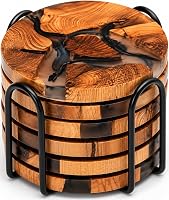
A simple rule works well: choose a length for the overhang you want, a width that leaves place-setting space, and details that won't interfere with serving. For another small fabric craft, see how to make resin photo coasters.
Frequently asked questions
How much fabric do I need to make a table runner?
Measure the table length and add the desired overhang at both ends. For width, choose a finished measurement that leaves room for place settings.
Add extra fabric for hems or other edge finishes, following the sewing pattern or technique you plan to use.
What is a good size for a Christmas table runner?
A useful size depends on your table and how much overhang you want. Measure the tabletop, then decide whether the runner should stop near the ends or hang down at each end.
Check the width against centerpieces and place settings before cutting.
Can I make a Christmas table runner without sewing?
Yes, you can use fabric glue or iron-on hem tape if the package instructions allow it for your fabric. Fold and press the edges evenly, then secure them as directed.
Test the method on a scrap first and let the adhesive set before placing it on the table.
What fabric works well for a Christmas table runner?
Choose fabric that suits the table's use and the look you want. Cotton and linen blends are common sewing choices, while velvet gives a plush appearance and cheesecloth creates a soft drape.
Check the fabric care instructions and consider whether the runner will need frequent washing.