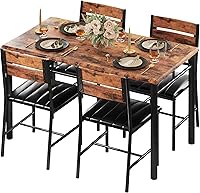
How to Plan a Modern Dining Room
Modern dining room ideas work best when the table, chairs, lighting, and storage fit the room and share a few visual cues. Start with the layout, then choose furniture and finishes that support how you use the space.
On this page (7 sections)
- How do you plan a modern dining room layout?
- How can you coordinate chairs with a modern table?
- What colors and materials help the room feel cohesive?
- Where should dining room lighting go?
- How can storage support a modern dining space?
- How do you finish the room without adding clutter?
- Which modern dining room ideas should you use first?
Modern dining room ideas work best when the table, chairs, lighting, and storage fit the room and share a few visual cues. Start with the layout, then choose furniture and finishes that support how you use the space.
A modern room doesn't need every piece to come from one set. If you prefer a coordinated option on a budget, compare these affordable dining room sets.
A simple table, comfortable chairs, well-placed lighting, and a few repeated finishes can make the room feel considered without crowding it.
How do you plan a modern dining room layout?
Measure the room and plan clear routes before choosing furniture. Note the doors, windows, outlets, and paths people use to reach nearby rooms.
Sketch the table's footprint and chair positions on paper or mark them on the floor with painter's tape. Make sure chairs can slide back and people can pass without bumping into walls or storage.
For a practical dining room set up, decide where meals happen, where dishes are stored, and how people move between the table and kitchen. In a compact room, a table with a slim shape or chairs that tuck in can help preserve open floor space.
Which dining table suits modern dining room ideas?
Choose a table shape and size that fit your room and usual number of diners. A rectangular table can work well in a longer room, while a round table can make a compact area feel less formal.
Don't choose by appearance alone. Measure the tabletop, base, and chair pullback area, then check whether the table leaves a comfortable route around it.
A glass top can keep the view through a small room open, while wood adds a warmer visual weight. The [Giantex 5 Piece Dining Table Set] pairs a transparent tempered-glass top with four armless chairs and a shelf below the tabletop.
This set measures 42 x 27.5 x 30 inches, so compare its footprint with your room and chair clearance before choosing it. If you'd rather select a table first and add seating later, see how to choose a dining table without chairs.
A modern table can also mix with an older or handmade piece if its scale suits the room. If building your own is part of the plan, browse these DIY farmhouse table plans and consider how the finished table will pair with your chairs and lighting.
How can you coordinate chairs with a modern table?
Match chair scale to the table, then connect the pieces through color, material, or shape. Matching every detail is optional; a clear visual link helps mixed furniture feel intentional.
Check the seat height and width against the table and available floor space. Armless chairs tend to tuck in more easily, while an open back can help a dining area feel less visually heavy.
The Signature Design by Ashley Hammis Dining Chair has a rake back, a cushioned dark-brown faux-leather seat, and an armless shape. It can suit a modern setting where you want a clean chair profile and an easy-care seat.
The Signature Design by Ashley Berringer Wood Dining chair has a spindle back, saber legs, and a cushioned microfiber seat in a rustic-brown finish. Its traditional details can add contrast to a simpler table when you want the room to feel warmer.
For a consistent modern style, look for simple lines and a small set of finishes.
Read what is a modern dining set? A small guide for more on the shapes and materials that often define the look.
What colors and materials help the room feel cohesive?
Limit the palette to a few colors and repeat each finish in more than one place. For example, a wood table can connect with a cabinet or frame, while dark chair legs can echo a light fixture.
Start with the fixed parts of the room, such as flooring and wall color. Then choose the table and chairs so they either complement those tones or provide a deliberate contrast.
A glass tabletop can pair with metal details and pale walls for a lighter feel. Wood and fabric can soften a room with hard floors, while dark finishes can anchor a bright space.
Avoid adding a new finish with every purchase. If you already own a table, carry one of its colors into the chairs, rug, or storage rather than trying to match every piece exactly.
Where should dining room lighting go?
Center the main fixture over the table and choose light that suits meals and everyday tasks. Check the fixture's scale and placement from the seated view as well as from the doorway.
A pendant or chandelier can define the dining area, especially in an open-plan room. Keep the fixture from blocking conversation across the table, and use compatible bulbs that give a comfortable light level.
Layered lighting can make the room easier to use. A ceiling fixture handles general light, while a nearby lamp or wall light can brighten a darker corner without requiring a second fixture over the table.
For fixture size, placement, and bulb choices, see the full dining room lighting guide. Check the room's wiring and the fixture instructions before installing or changing a ceiling light.
How can storage support a modern dining space?
Choose storage that holds what you use without blocking the room's routes. A cabinet, sideboard, or cart can keep serving pieces handy and reduce clutter on the table.
Measure both the storage footprint and the door or drawer clearance. Leave room for people to pass, and keep frequently used dishes within easy reach.
If you're considering a hutch, first decide whether its extra storage and height suit the room. This quick guide to whether a dining room set includes a hutch explains what to check when comparing sets.
A china cabinet can be a useful focal point if you keep its shelves simple. Use this advice on how to decorate a china cabinet to arrange dishes and accents without making the room feel crowded.
For flexible serving space, a bar cart can move where you need it and tuck away after guests leave. These bar cart ideas can help you decide what to store and where to place it.
How do you finish the room without adding clutter?
Add only the pieces that improve comfort or serve a clear purpose. A rug can define the dining area, while a centerpiece can add color without taking over the table.
If you use a rug, choose one large enough for chairs to remain on it when pulled out. Consider how the pile and edges will handle regular chair movement, and make sure the rug doesn't create a tripping point.
Keep the tabletop easy to clear for meals. A low centerpiece leaves sightlines open, while placemats or a table protector can help shield the surface during daily use.
Bring in texture through a small number of materials, such as woven fibers, ceramic, or fabric. Repeating those materials once or twice around the room can create interest without filling every surface.
Which modern dining room ideas should you use first?
Start with the layout, then choose the table and seating before adding lighting, storage, and finishing pieces. This order makes it easier to measure each item against the room and avoid purchases that block a route.
Choose a glass-top set if you want a light visual footprint and four matching chairs. Pick separate chairs if you want to mix traditional wood details or a clean-lined cushioned seat with a table you already own.
For your own dining room ideas, modern style comes from a few deliberate choices: useful proportions, comfortable circulation, and finishes that connect across the space. Pick pieces that work for your meals and storage needs, then see how to set up a dining room for a room-by-room placement checklist.
Frequently asked questions
What makes a dining room look modern?
A modern dining room often pairs simple furniture shapes with a restrained palette and uncluttered surfaces. Choose a table and chairs that suit the room, then repeat one or two finishes or colors in the lighting and storage.
Clear walkways and useful lighting matter as much as appearance.
How do I plan a modern dining room layout?
Measure the room and the furniture before choosing a layout. Leave practical space to pull out chairs and walk around the table, and keep doorways and routes to nearby rooms clear.
If the room serves more than one purpose, place storage or a cart where it won't block those paths.
Should dining chairs match the table?
Dining chairs don't have to match the table exactly. Keep the combination cohesive by repeating a color, material, finish, or shape, and check that the seat height and table proportions work together.
If you mix styles, let one piece lead and keep the rest of the room visually calm.
How do I choose lighting for a modern dining room?
Choose a fixture that suits the table's shape and the room's scale, then check that it provides comfortable light for meals and other tasks. Place it so it doesn't interrupt sightlines or feel too low above the table.
Dimmers can give you more control when the fixture supports them.