What Is a Breakfast Nook?
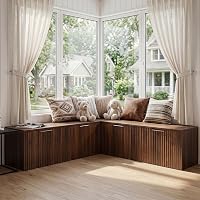
A breakfast nook is a small, casual dining area, usually set in a kitchen corner or beside a window. It often uses a compact table with a built-in bench, freestanding chairs, or both.
On this page (8 sections)
- What makes a breakfast nook different from a dining area?
- Where does a breakfast nook fit best?
- What seating arrangements are common?
- How do you choose a table for a breakfast nook?
- Which dining sets can work in a breakfast nook?
- What should you measure before setting up a nook?
- What is a breakfast nook used for?
- What is a breakfast nook? A simple way to decide
A breakfast nook is a small, casual dining area, usually set in a kitchen corner or beside a window. It often pairs a compact table with a built-in bench, freestanding chairs, or both.
The term describes the dining spot, not one required furniture style. A nook can be a permanent built-in corner or a simple table-and-chair arrangement that makes practical use of kitchen space.
What makes a breakfast nook different from a dining area?
A breakfast nook is a compact, informal place to eat, often near the kitchen’s daily activity. It may use a corner, alcove, or window area rather than a separate dining room.
The furniture can be simple: a table with chairs, a bench against a wall, or a mix of seating. The key is that the setup fits the space and suits everyday meals, coffee, homework, or a quick work session.
A dining area can be larger and more formal, but there is no strict size line that defines a nook. If you're comparing the two room arrangements, see breakfast nook vs dining room.
A smaller table-and-chair combination may also be called a dinette. Our guide to [What Is a Dinette Set?
A Practical Guide](/what-is-a-dinette-set/) explains that term and the furniture it usually describes.
Where does a breakfast nook fit best?
A breakfast nook works well where a small table can sit without blocking everyday movement. Kitchen corners, window alcoves, and unused wall space are common locations.
Look at how people move between the nook, cabinets, appliances, and nearby doors. Leave enough room to pull out seats and walk past them; a table that fits on paper can still make a route awkward.
Natural light can make a window spot pleasant, but it isn't a requirement. A well-lit corner can serve the same purpose if the table and seats fit the room.
Before choosing a permanent bench or buying a table, measure the floor area and note the position of outlets, windows, radiators, and cabinet doors. Our step-by-step guide on how to build a breakfast nook covers planning a more permanent setup.
What seating arrangements are common?
Breakfast nooks commonly use a bench, chairs, or a combination of both. The best arrangement depends on the shape of the space, how many people usually eat there, and whether you want seats that move.
Is a built-in bench right for a nook?
A built-in bench can make good use of a corner or wall because it keeps one side of the table close to the room’s edge. It can also give several people a shared seat, though people may need to shift to let someone in or out.
Plan the bench depth and table position together. Check that the table edge leaves enough knee room and that the bench doesn't cover a vent or cabinet.
A built-in seat is less flexible once installed. If you rent, may move the table, or want to change the room layout, a freestanding bench or chairs may be easier to manage.
When should you choose chairs or a freestanding bench?
Choose movable chairs when you want to adjust the seating or use the table for different tasks. They can be pulled out for guests and tucked away when the nook is not in use.
A freestanding bench can provide a shared seat without attaching anything to the wall. Check its length against the table and make sure it can slide in without blocking a walkway.
Mixed seating is another option. For example, a bench along the wall and chairs on the open side can use a corner while leaving the table accessible.
How do you choose a table for a breakfast nook?
Choose a table that fits the nook while leaving room for people to sit and move around it. Shape, seating capacity, and storage all affect how practical the arrangement feels.
A round table can soften a tight corner, while a rectangular table can follow a wall or narrow room. These are starting points, not rules; use a floor plan or tape marks to check the footprint before you buy.
If the nook serves one or two people most days, a smaller table may be enough. If you regularly host family or want extra work surface, consider a table that expands or seating that can be moved elsewhere.
Think about where the seats go when nobody is sitting. Some sets tuck chairs, benches, or stools under the tabletop, which can free floor area between meals.
Which dining sets can work in a breakfast nook?
A dining set can suit a breakfast nook if its table, seats, and storage pattern match the space. Compare measurements and seating styles with your own layout before choosing.
For a flexible arrangement, the Feonase 5-Piece Dining Table Set for 4-8 has an extendable table, 2 benches, and 2 square stools that slide beneath the table when not in use.
The IRONCK Dining Table Set has a 43.3 x 27.6 in table and chairs that fit under it, making it an option to consider for a compact kitchen area.
The Hooseng Dining Table Set pairs a 47.2 x 27.5 in table with 4 upholstered chairs. Its compact rectangular shape may suit a nook where separate chairs are a better fit than a bench.
Measure the table and the space needed for each seat before ordering. For more options, browse our guide to the best breakfast nook set or compare best kitchen table set with chairs.
What should you measure before setting up a nook?
Measure the full footprint, including the space needed to use the seats, not just the tabletop. A table may fit between walls but leave too little clearance for people to sit down.
Record the nook’s length and width, then check nearby paths and obstructions. Note how far a chair pulls out or how much room someone needs to step past a bench.
For a built-in bench, measure its planned length and depth as well as the table’s position. For movable seats, check whether they can tuck away and whether the table still leaves room to reach cabinets or appliances.
What is a breakfast nook used for?
A breakfast nook is used for casual meals and other short, everyday activities. Depending on the household, it may also serve as a spot for coffee, reading, homework, or a laptop.
Think about your main use before settling on a layout. A family that eats together may need more seats, while someone who mainly wants a coffee spot may value an open path and a smaller table.
If the table doubles as a workspace, consider where papers or devices will go when it is time to eat. A nearby cabinet or dining storage can help keep the tabletop clear.
What is a breakfast nook? A simple way to decide
A breakfast nook is a small dining spot, often arranged in a kitchen corner or near a window. Choose the table and seating around your available floor space and daily routine.
A built-in bench may suit a fixed corner, while chairs or a freestanding bench give you more room to rearrange. Measure the table and seat movement first, then choose a set that fits the way you plan to use the nook.
Frequently asked questions
What is the purpose of a breakfast nook?
A breakfast nook gives you a casual place to eat, have coffee, or work in or near the kitchen. Its compact table and seating can make use of a corner or a window area that might otherwise go unused.
The right arrangement depends on the room and how many people need to sit there.
What furniture is in a breakfast nook?
A breakfast nook usually has a small dining table and seating suited to its footprint. Common choices include a built-in bench, a freestanding bench, chairs, or a mix of seats.
Some homes add cushions or a nearby shelf, but those are optional and should not block movement.
Does a breakfast nook need a built-in bench?
No, a breakfast nook can use freestanding chairs or benches instead of built-in seating. A built-in bench can fit along a wall or corner, while movable seats are easier to rearrange.
Measure the space and allow room to sit down, stand up, and pass through.
How much space does a breakfast nook need?
There is no single minimum because the space depends on the table, seats, and nearby paths. Measure the room, then account for chair or bench movement and the route to doors, cabinets, and appliances.
A small table does not help if people cannot get in or out comfortably.